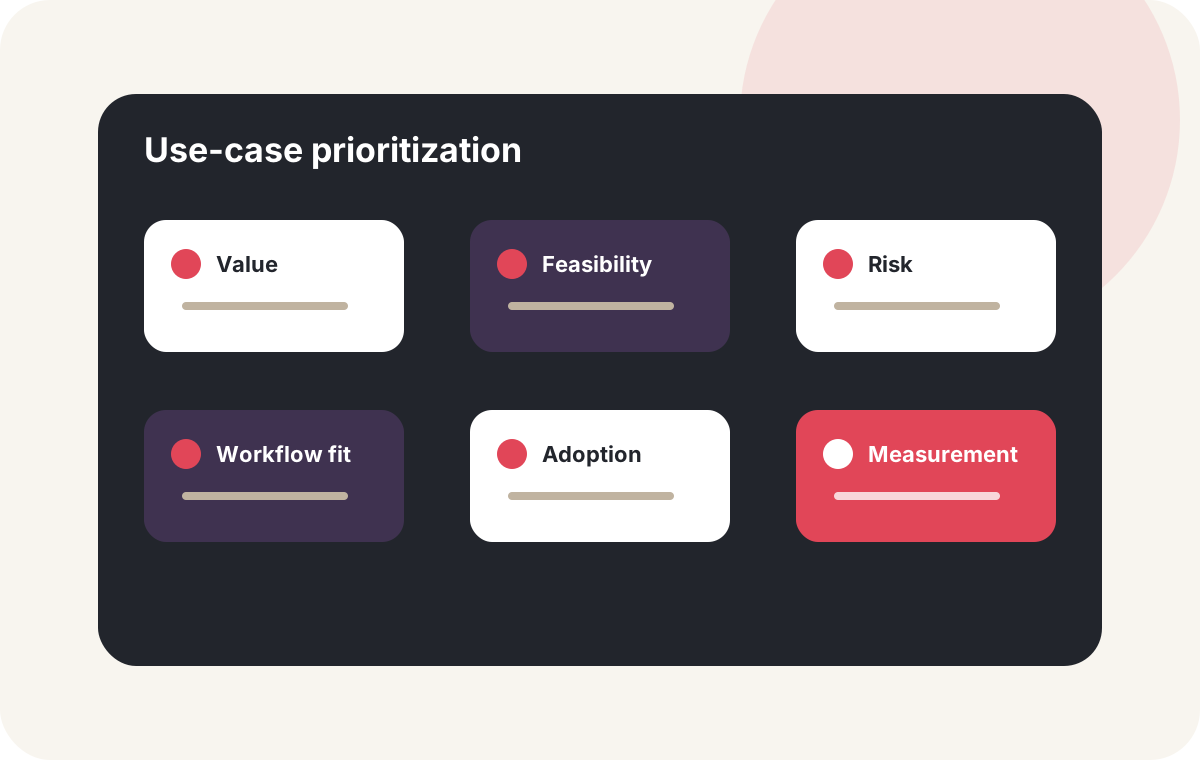
Value
Does the use case improve a meaningful business, mission, operational, or customer outcome?
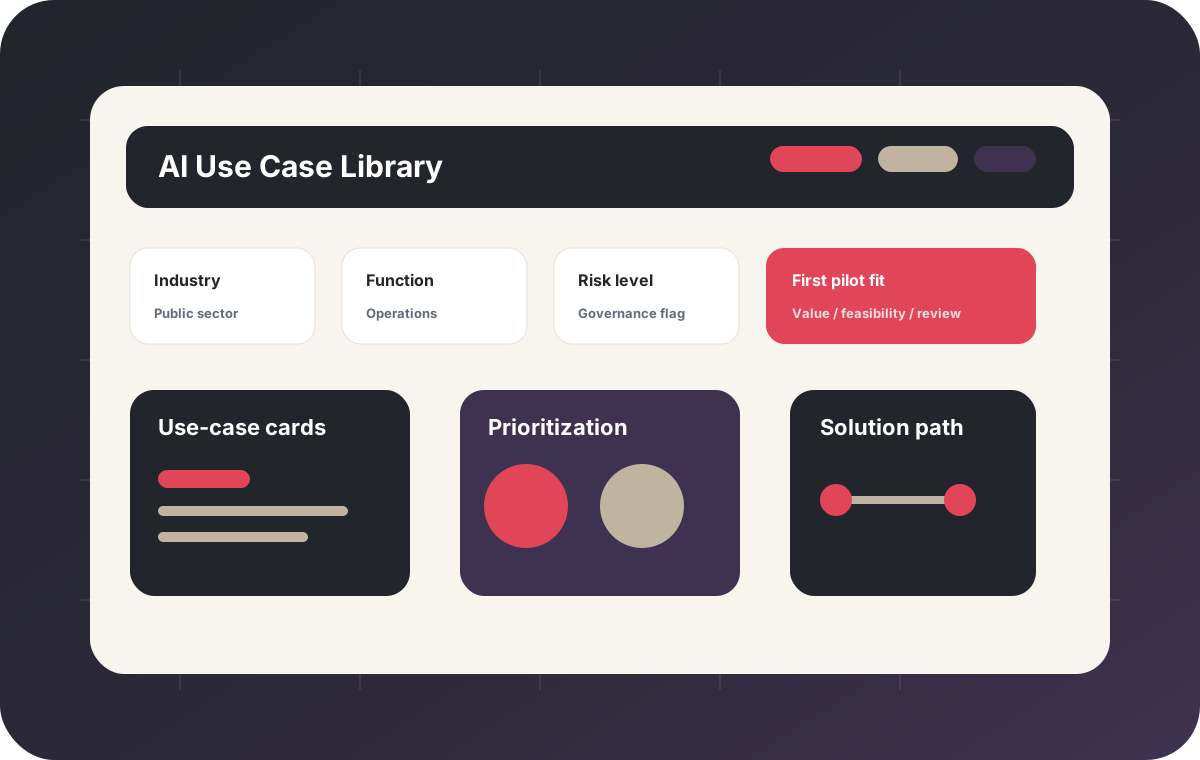
AI Use Case Library
Explore AI use-case patterns across government, education, nonprofit, healthcare, finance, operations, SaaS, and other sectors, then identify which opportunities deserve a workshop, readiness assessment, governance review, pilot, workflow automation, or custom implementation.
Use-Case Discipline
Most organizations do not have an AI idea problem. They have a prioritization problem. The right AI use case should have a clear owner, measurable value, available data, workflow fit, manageable risk, user adoption path, and a practical scale decision.
Does the use case improve a meaningful business, mission, operational, or customer outcome?
Is the workflow clear enough, the data accessible enough, and the technical path realistic enough to test?
What privacy, security, fairness, legal, operational, or public-trust concerns need review?
Where does AI fit into the actual process, decision, handoff, system, or user behavior?
Will staff, users, managers, or customers trust and use the AI-supported workflow?
What would prove the pilot should scale, refine, pause, or stop?
Use-Case Finder
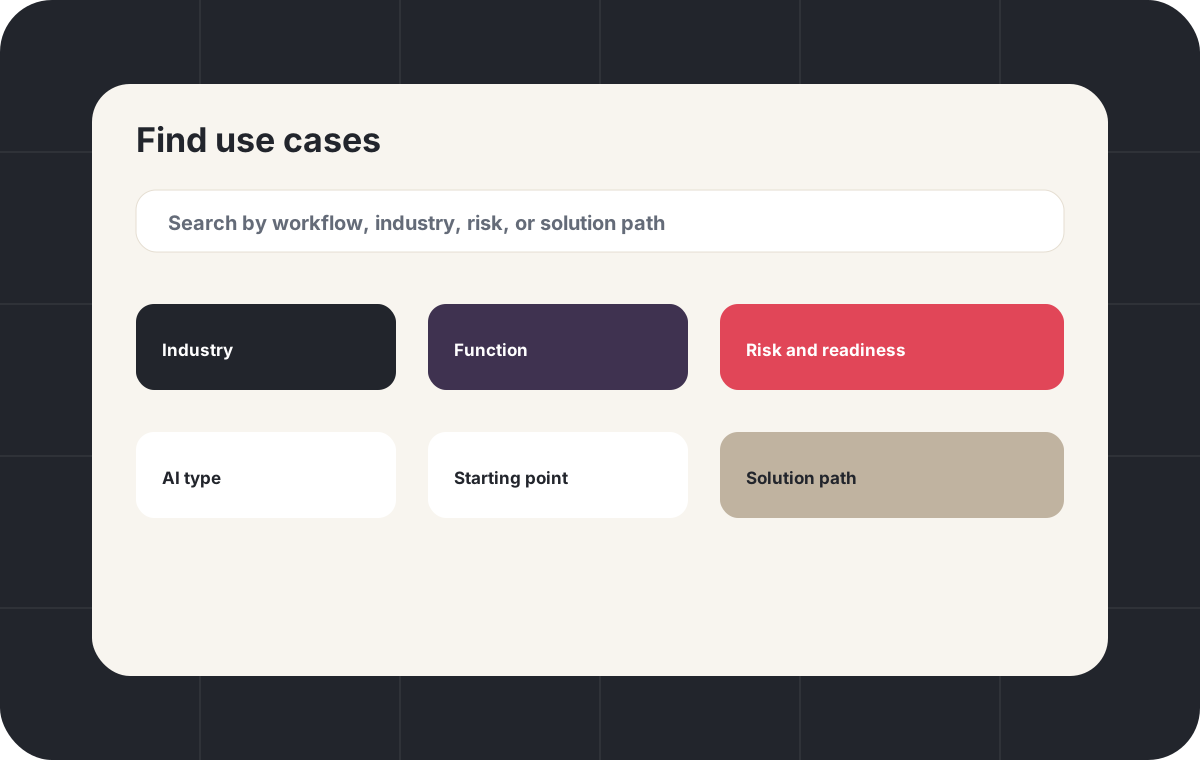
Use the filters to explore patterns that may fit your organization. These are use-case patterns, not completed client outcomes.
Loading use-case patterns...
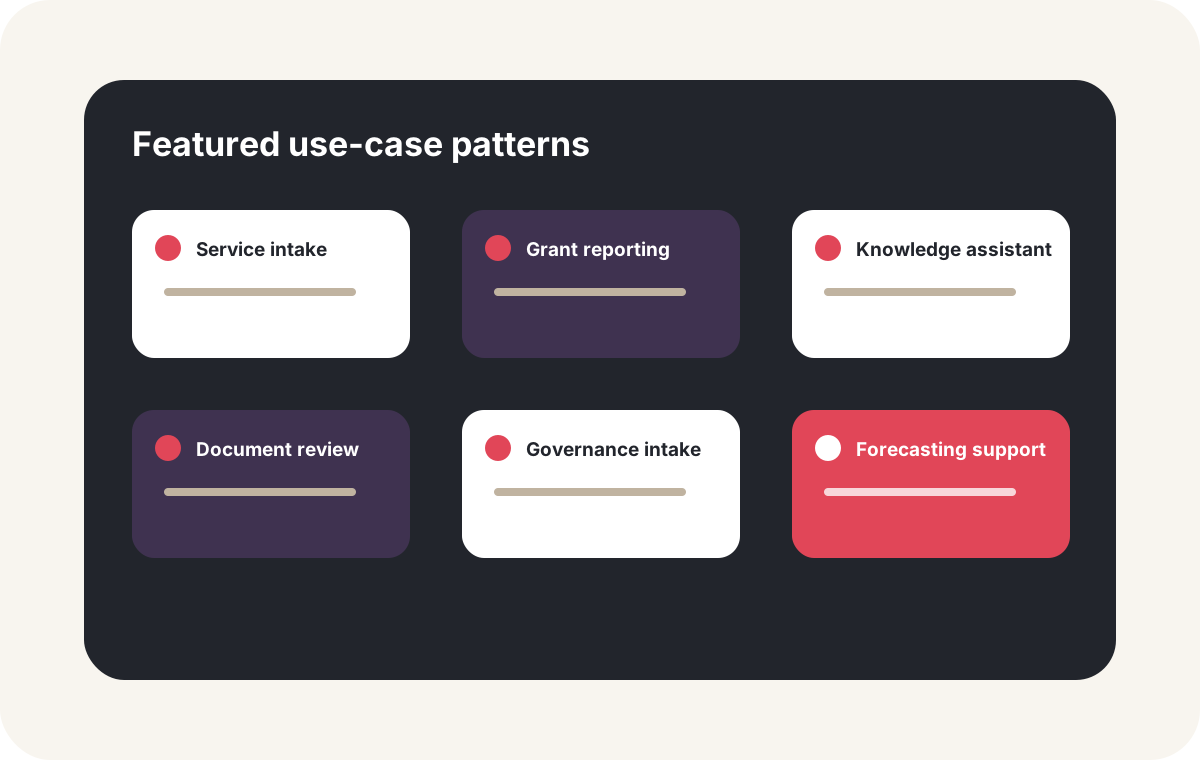
Featured Patterns
Strong starting points for teams that need practical, bounded AI opportunities.
Library Grid
Browse practical use-case patterns by industry, function, AI type, risk level, readiness, and implementation path.
Try clearing one filter, or start with an AI Execution Gap review to map use cases to your workflow and readiness constraints.
Evaluation Matrix
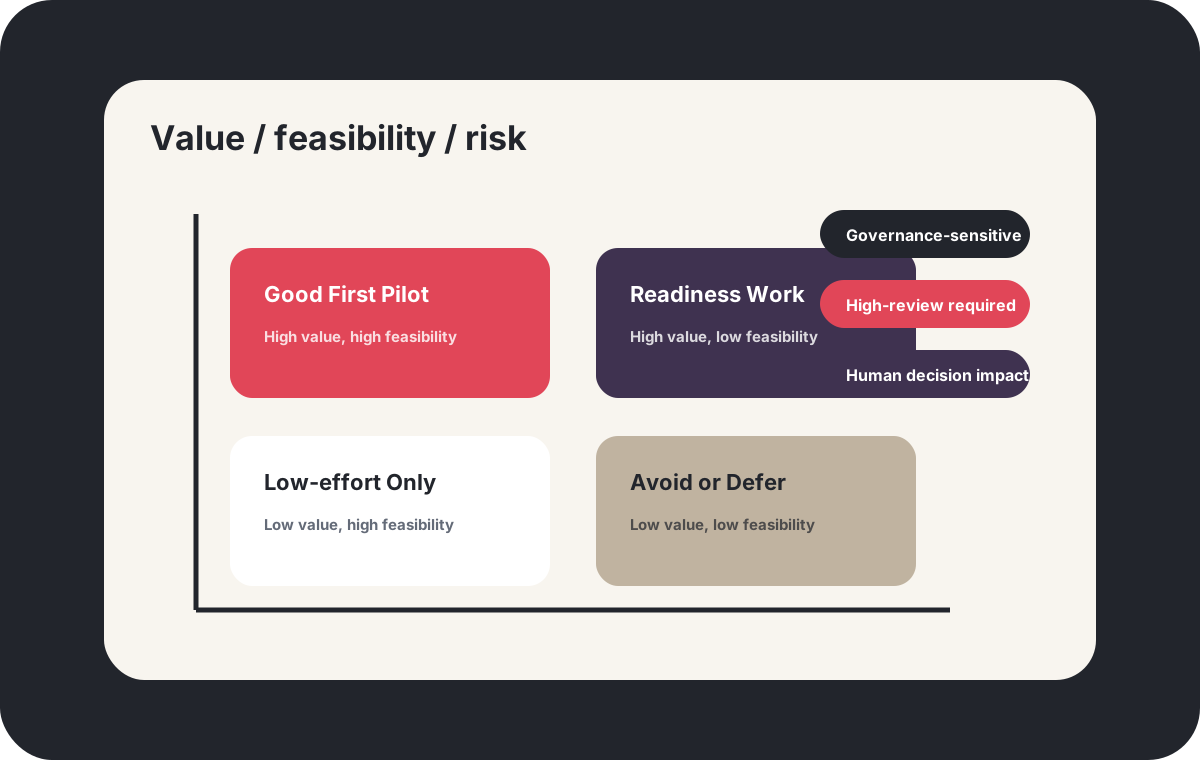
Good AI use cases are not selected by excitement alone. They are prioritized by value, feasibility, risk, readiness, workflow fit, and adoption potential.
The use case matters enough to justify attention.
Sources, permissions, ownership, and quality are reviewable.
Inputs, handoffs, review points, and outputs are defined.
Data sensitivity, user impact, and oversight needs are understood.
The path can be tested without pretending away constraints.
Staff and stakeholders have a reason to use the workflow.
Success criteria and scale/refine/stop signals are defined.
The pilot can teach the organization what should happen next.
By Industry
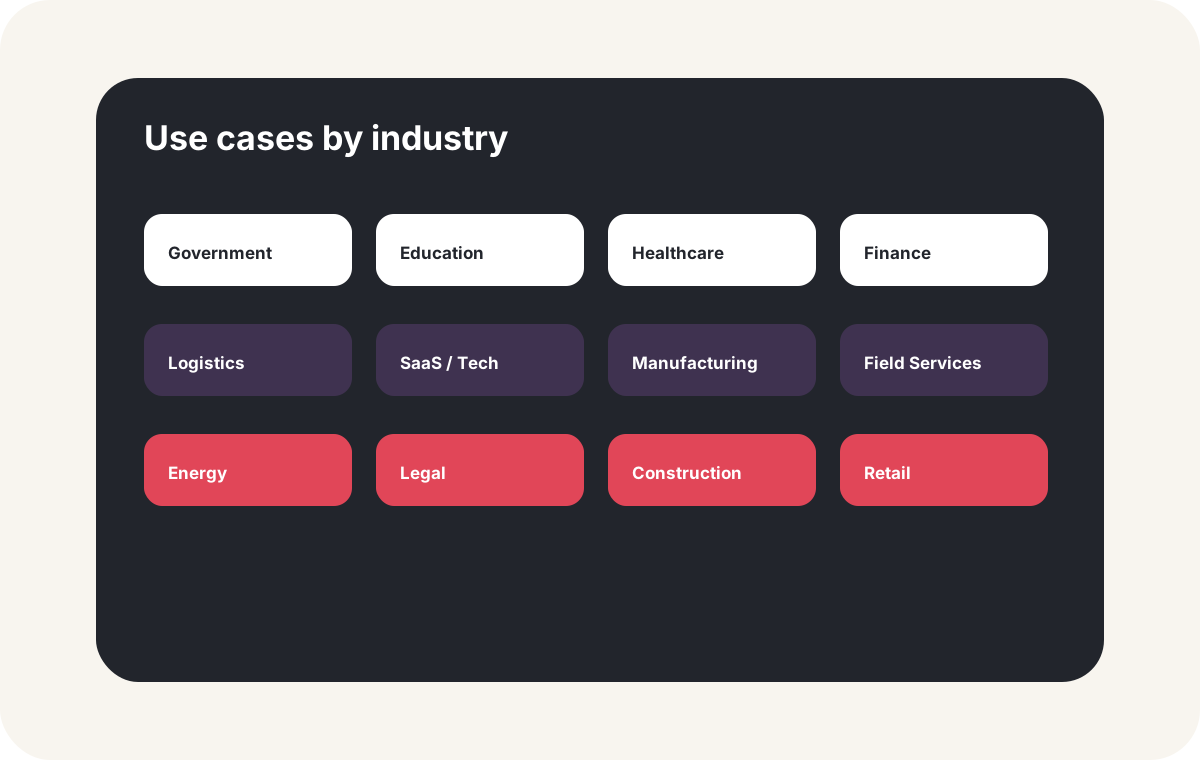
Start with the sector closest to your organization, then narrow by workflow, governance, data readiness, and pilot fit.
Service intake, document summarization, policy assistants, procurement Q&A, dashboards.
Explore Government AIAI literacy, grant reporting, program intake, knowledge assistants, nonprofit workflows.
Explore Education & Workforce AIAdministrative documentation, referral routing, internal policy support, operations dashboards.
Explore Healthcare AIFraud signal triage, risk workflows, document review, client operations, forecasting.
Explore Financial Services AIRelated: Financial Review IntelligenceForecasting, routing support, inventory planning, exception triage, operations dashboards.
Explore Logistics AIAI product features, support automation, internal copilots, recommendation concepts.
Explore SaaS & Tech AIVisual inspection support, quality workflows, maintenance triage, SOP assistants.
Explore Manufacturing AITechnician guidance, proof-of-work packets, maintenance inspection, supervisor review.
Explore Field Services AIAsset workflows, field operations, reporting support, outage workflows, and governance-first pilots.
Explore Energy & Utilities AIDocument intelligence, knowledge assistants, intake workflows, responsible-use policies, and human review.
Explore Legal & Professional AIProject documentation, permitting support, field reporting, closeout, asset data, and capital planning.
Explore Real Estate & Construction AIRecommendations, inventory forecasting, customer support, merchandising, review summarization.
Explore Retail & Ecommerce AIBy Function
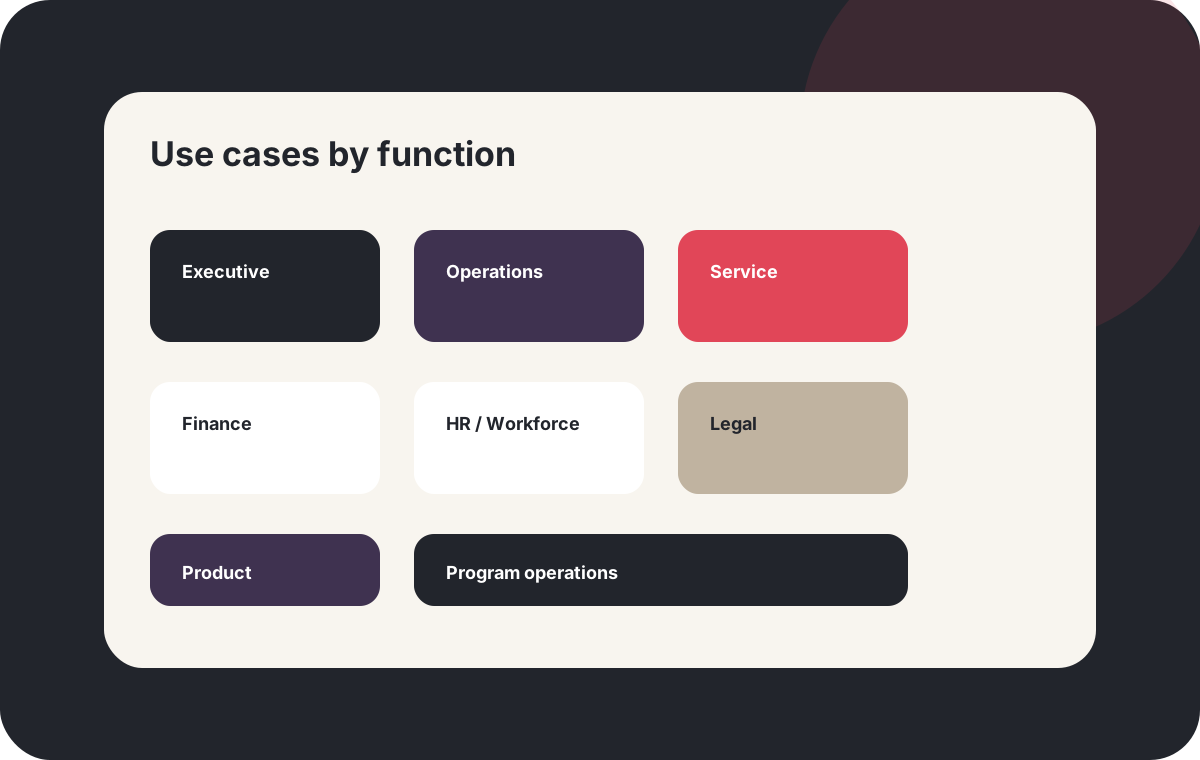
Sometimes the right starting point is not an industry. It is the job to be done.
Public Sector
Government, education, workforce, and nonprofit teams often need use cases that are responsible, staff-ready, procurement-aware, and easy to review.
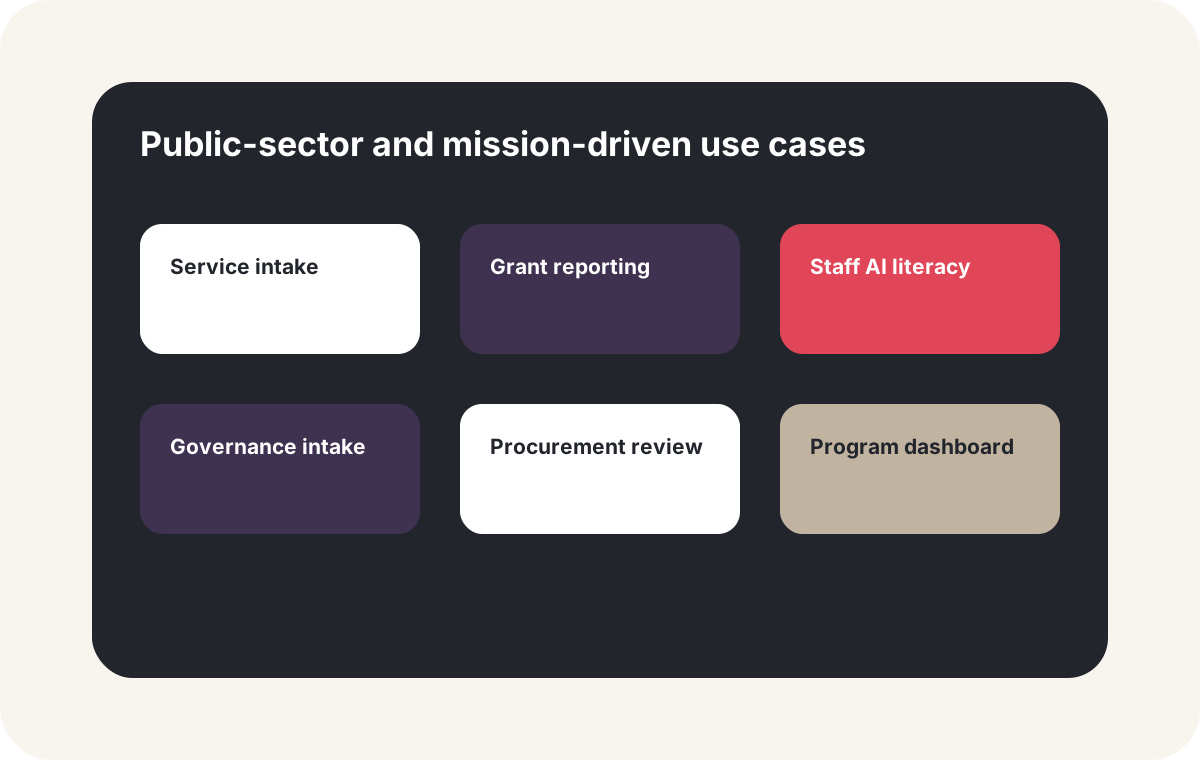
Assess readiness, policies, staff capability, data boundaries, and responsible use.
Support human-reviewed evidence gathering, narrative drafting, and progress summaries.
Create a structured process for reviewing proposed AI use cases before pilots expand.
Solution Fit
Not every use case should move straight into implementation. Some need readiness work, some need governance, some need a workshop, and some are ready for a pilot or build.
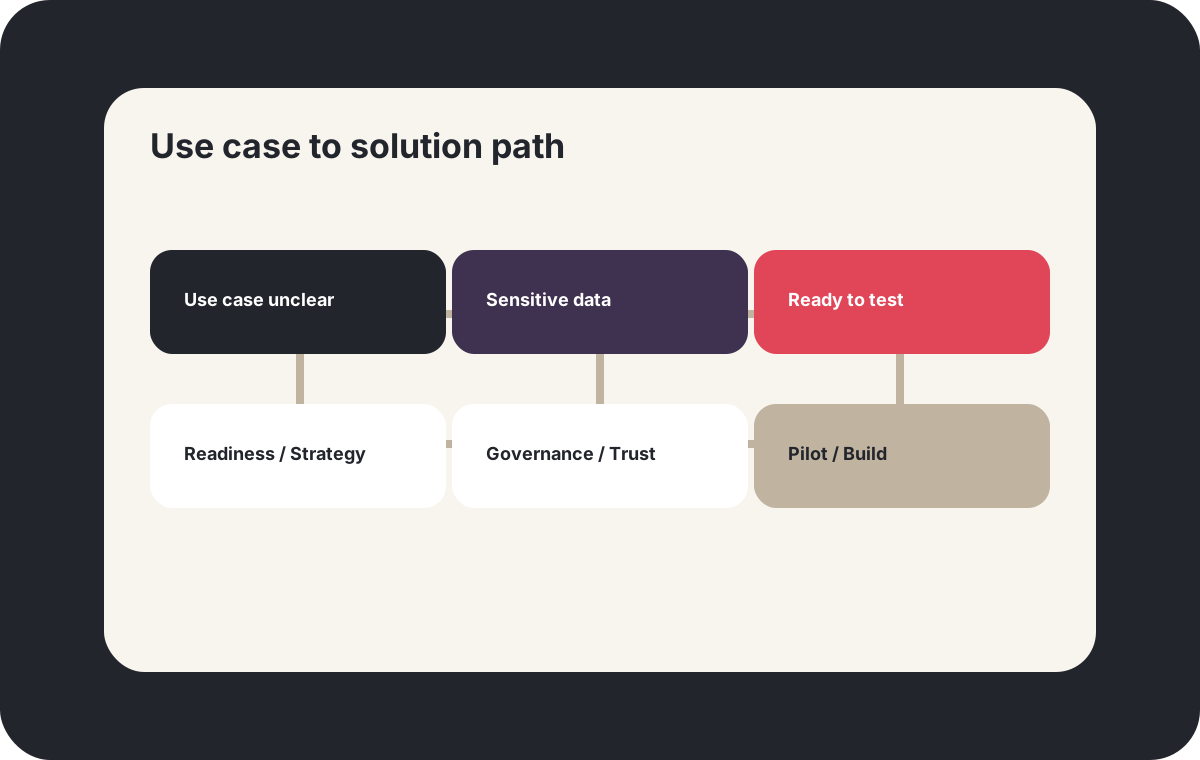
Best next step: AI Execution Gap Scorecard or AI Readiness Assessment.
Start with a signalBest next step: AI Strategy Workshop.
Explore Strategy WorkshopBest next step: AI Governance or Trust Review.
View Trust CenterBest next step: Workflow Automation Workshop.
Explore Workflow AutomationBest next step: AI Pilot Project.
Explore Pilot ProjectsBest next step: Custom AI Implementation.
Explore Custom AIPilot Candidates
Strong first pilots are bounded, reviewable, measurable, and tied to a real workflow.
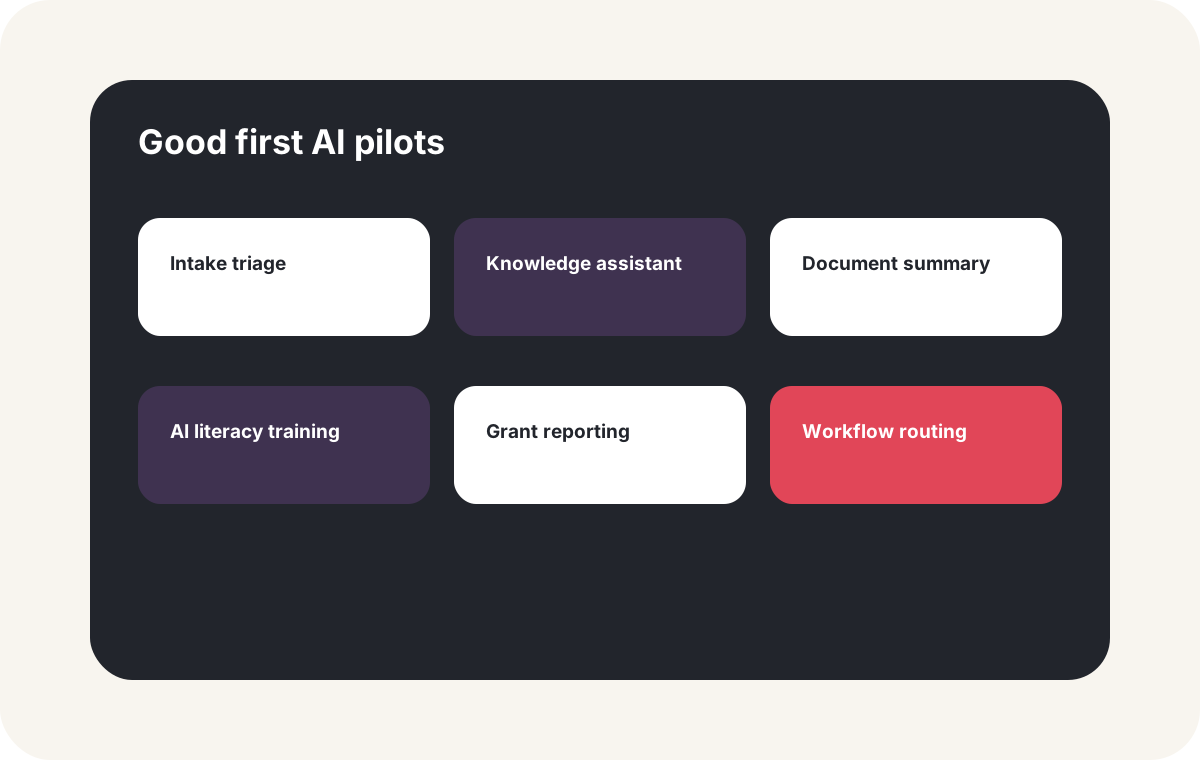
Bounded request type, routing rules, staff review, and adoption measurement.
One department knowledge base, permissions, source review, and feedback loop.
One document type, reviewer approval, source references, and quality checks.
One report, source grounding, reviewer signoff, and funder requirement review.
One planning target, historical data review, human interpretation, and confidence context.
One intake form, risk questions, reviewer path, and pilot approval criteria.
High-Review Required
Some AI opportunities may be valuable, but should not be pursued casually. They require stronger governance, review, policy, and human oversight.
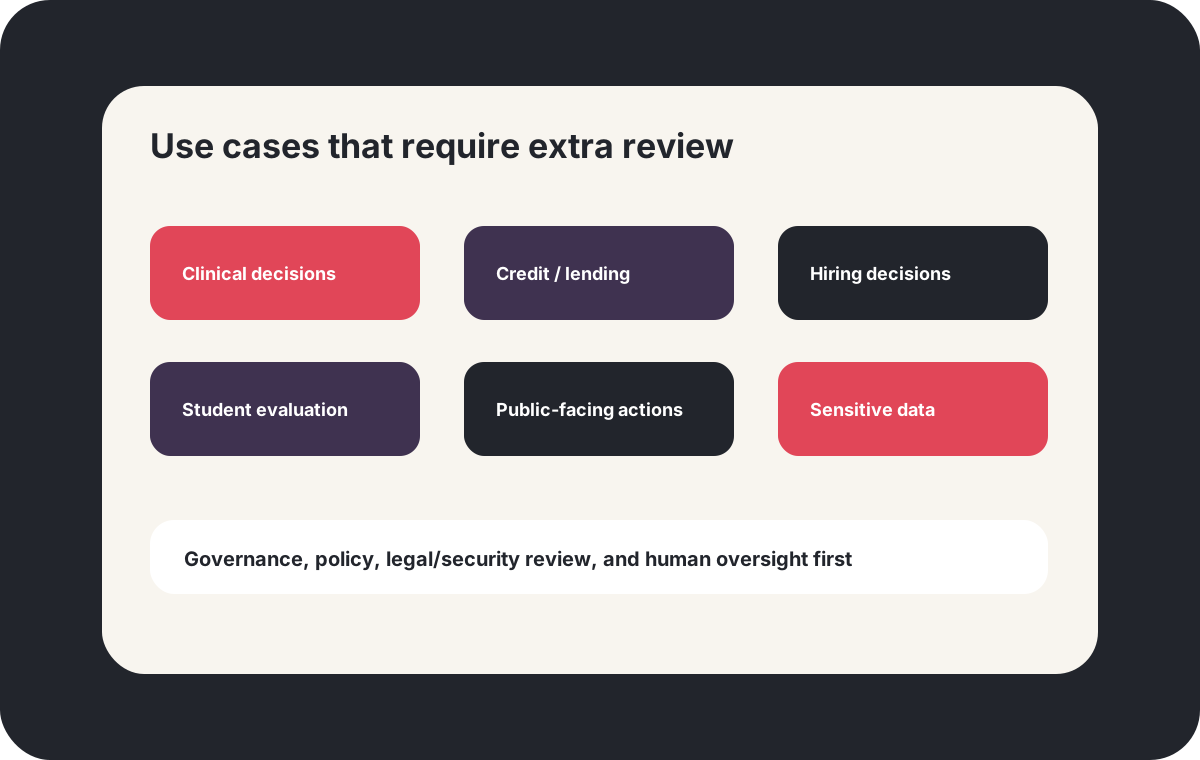
Requires clinical, privacy, legal, safety, and human oversight review before any pilot scope.
Discuss Governance RequirementsRequires model risk, fairness, legal, auditability, and human decision review.
Discuss Governance RequirementsRequires policy, fairness, human oversight, documentation, and employment-law review.
Discuss Governance RequirementsRequires education policy, privacy, due process, equity, and human oversight review.
Discuss Governance RequirementsRequires accessibility, appeal paths, accountability, human review, and public trust analysis.
Discuss Governance RequirementsRequires privacy, security, data minimization, permission boundaries, and output handling review.
Discuss Governance RequirementsExecution Artifacts
Use cases become actionable when they are documented, prioritized, governed, and measured.
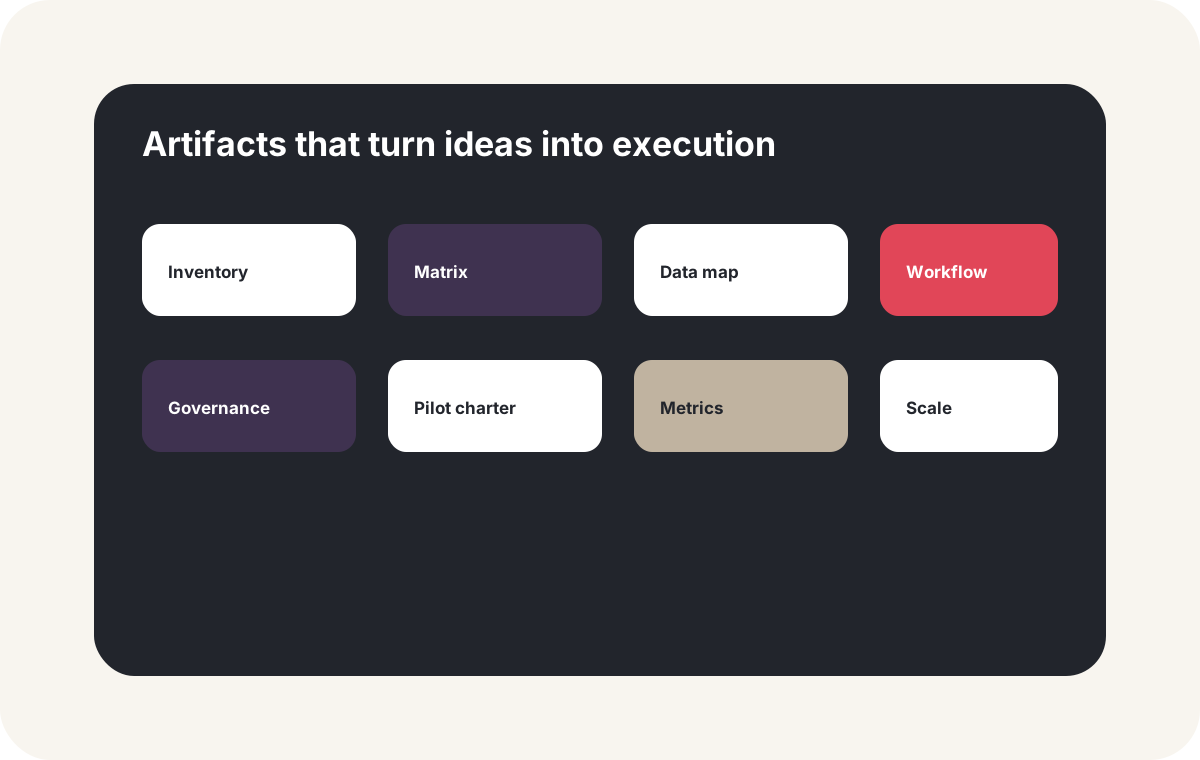
A structured list of candidate AI opportunities with owners, users, workflows, and decision context.
A ranking view that compares opportunities by value, feasibility, risk, readiness, and workflow fit.
A quick signal for whether a use case is a good first pilot, needs readiness work, or should be deferred.
A review of likely data sources, access, permissions, quality, gaps, and ownership needed for the use case.
A before-and-after view of where AI fits into intake, routing, review, approval, reporting, or decisions.
A defined review path for who approves outputs, handles exceptions, escalates issues, and remains accountable.
A practical review list for privacy, security, data boundaries, vendor/model questions, and responsible use.
A scoped pilot brief with users, workflow, data assumptions, controls, timeline, and success criteria.
A measurement plan for adoption, quality, cycle time, risk signals, user feedback, and decision usefulness.
A documented scale, refine, pause, or stop recommendation based on evidence from the pilot.
Related Resources
FAQ
Start with use cases that have clear value, available data, manageable risk, workflow fit, an accountable owner, and a measurable pilot path. If you are unsure, begin with the AI Execution Gap Scorecard, AI Readiness Assessment, or AI Strategy Workshop.
A good first pilot is bounded, reviewable, measurable, and connected to a real workflow. It should have a clear user, owner, success metric, data path, governance controls, and scale/refine/stop decision.
No. Many use cases should first go through readiness review, use-case prioritization, governance review, workflow mapping, staff training, or pilot scoping.
Evaluate data sensitivity, affected users, decision impact, privacy, security, bias, human oversight, vendor/model path, output handling, and whether the workflow is internal or public-facing.
Use cases often translate across industries. Start with function, workflow, or challenge. InitializeAI can help map use cases to your specific sector.
Yes. InitializeAI can support public-sector, school district, workforce, nonprofit, and education teams with AI readiness, workshops, staff training, governance, use-case prioritization, and procurement-aware pilot scoping.
A use case is the workflow or problem AI may support. A solution is the engagement path or implementation approach used to evaluate, govern, pilot, automate, or build around that use case.
Yes, depending on scope. Some use cases may lead into AI pilot projects, workflow automation, custom AI implementation, governance support, staff training, or ongoing advisory.
Use-Case Inquiry
Use this path if your team has AI ideas but needs help ranking opportunities, assessing readiness, governing risk, scoping pilots, or deciding what to implement first.
From Idea to Execution
InitializeAI can help your team identify, prioritize, govern, pilot, automate, and implement AI use cases that fit real workflows, data constraints, risk requirements, and adoption goals.